
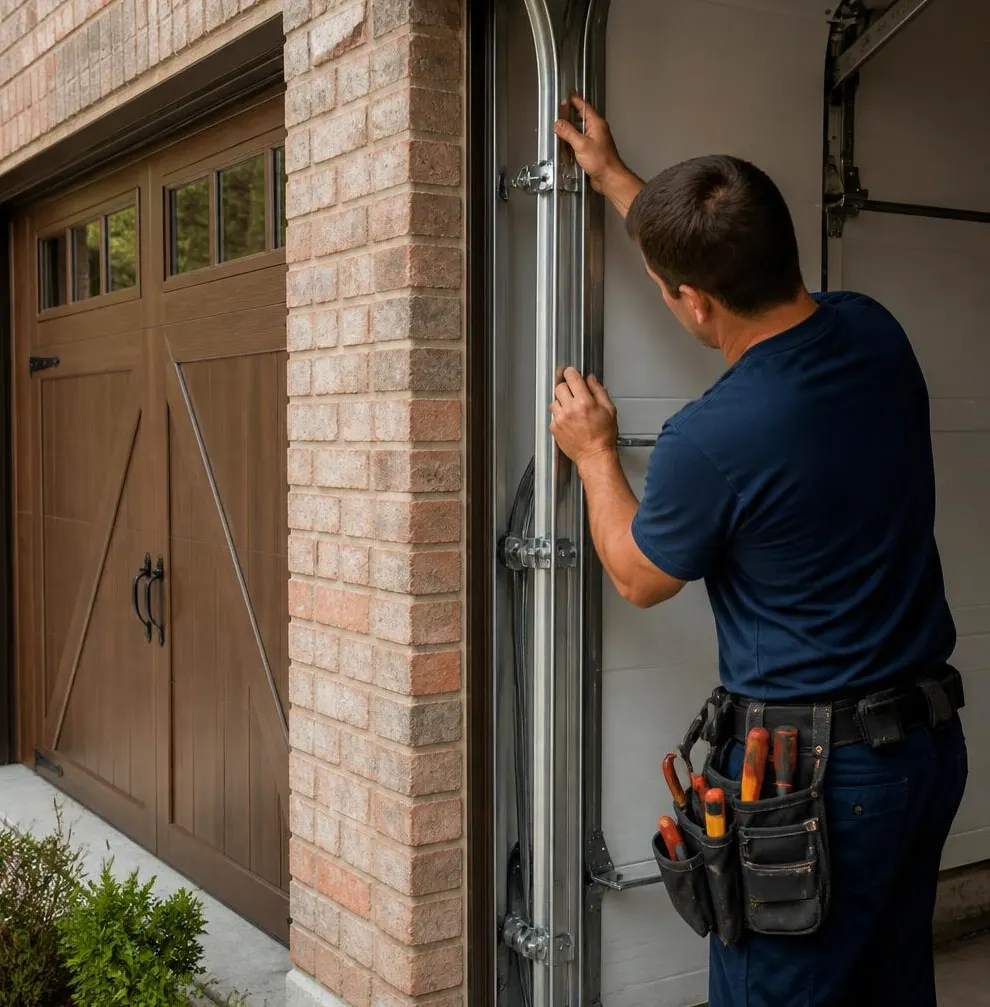
Getting Your Garage Door Ready for Winter in Tallevast
The short answer: winterizing a garage door in Tallevast means drying out and re-lubricating parts that got soaked all summer, checking for rust and salt damage, tightening hardware that loosened during storm season, and confirming the opener and sensors still work correctly as temperatures and humidity drop. None of this is about freezing pipes or snow. It's about undoing six months of humidity, rain, and heat so your door runs smoothly through the drier, cooler stretch ahead.
Why Florida "Winter" Still Matters for Your Garage Door
Hurricane season technically runs through the end of November, so your door is still finishing a long stretch of afternoon downpours, high humidity, and salt-heavy air if you're anywhere near the coast. Once that pattern breaks and drier, cooler air moves in, wood and composite doors that absorbed moisture all summer start to shrink back down. Metal hardware that sat damp for months is more likely to show rust. And the temperature swings between warm days and cool nights can tighten or loosen tension on springs and cables just enough to throw off a door's balance. Getting ahead of these changes now prevents bigger repairs later.
Inspect for Storm-Season Wear
Walk the full track and door assembly and look for:
- Rust spots on hinges, tracks, or the bottom panel, especially if you're close to the coast where salt air accelerates corrosion.
- Gaps in weatherstripping at the bottom of the door. Wood and some composite panels swell in humidity and shrink as it drops, which can leave new gaps that let in drafts, pests, or water during the next heavy rain.
- Loose bolts or brackets. Vibration from repeated opening and closing, plus humidity-driven expansion and contraction, can work fasteners loose over a season.
- Fraying cables or worn rollers. If you hear grinding, popping, or see visible fraying near the bottom bracket, that's a sign of wear that won't fix itself.
Catching these now, while the weather is more cooperative for outdoor repairs, beats discovering them mid-storm next summer.
Lubricate and Tighten Moving Parts
Humidity and rain wash out lubricant faster than most homeowners expect. Before cooler weather sets in:
- Apply a silicone-based lubricant (not household oil, which attracts dust and grime) to hinges, rollers, and the track.
- Tighten any loose hardware you find during inspection, including hinge bolts and the brackets holding the track to the frame.
- Check the springs for visible gaps or stretching. If the door feels heavier to lift manually, or the opener strains and makes louder noises than usual, the springs may be losing tension.
A well-lubricated, properly tightened door runs quieter and puts less strain on the opener motor, which matters if you want that opener to last.
Check the Opener and Safety Sensors
Cooler, drier air can reveal electrical issues that were masked by heat and humidity. Test these before you need them in an emergency:
- Run the auto-reverse safety test: place a block of wood in the door's path and confirm it reverses on contact.
- Check that the photo-eye sensors near the bottom of the track are aligned and free of dust or spiderwebs, which build up fast in Florida's humid months.
- Replace the remote or keypad batteries if response time has been getting slower.
- Listen for grinding or straining sounds from the motor, which often signal it's working harder than it should, usually because of poor lubrication or an imbalanced door.
Address Wood and Composite Door Swelling or Shrinking
If your door is wood or wood-composite, pay close attention to the panels over the next few weeks. Summer humidity can cause swelling that makes the door stick or drag in the track, while the drier air ahead can shrink panels back down and leave new gaps. Watch for:
- A door that was dragging or sticking in summer suddenly swinging freely with play in the track.
- New light gaps along the sides or bottom that weren't there a few months ago.
- Peeling paint or finish, which often signals trapped moisture underneath.
These shifts are normal for the climate, but a door that's badly out of alignment because of seasonal swelling and shrinking puts extra strain on rollers, cables, and the opener.
When to Call Tallevast Garage Door Experts
If your door is sticking, dragging, making new noises, or showing rust along the bottom panel or track, it's worth having it looked at before winter settles in rather than after something fails. Our Garage Door Maintenance & Tune-Up service covers exactly this kind of seasonal check: lubrication, hardware tightening, balance testing, and a full inspection for rust or wear from the past several months of heat and storms. If we find frayed cables or worn rollers during that inspection, our Cable & Roller Replacement service gets those parts swapped out before they fail on you mid-use, which is a far more inconvenient time to deal with it.
If you're in Tallevast, Bradenton, Sarasota, Palmetto, Ellenton, Lakewood Ranch, Oneco, or Whitfield and your garage door hasn't been looked at since before hurricane season, now is a good time. Call Tallevast Garage Door Experts for same-day service and honest pricing, and get your door running smoothly before the next season change.